Cessna 172RG Rear RH Baffle Assembly
Cessna 172RG Rear RH Baffle Assembly
Blog Article
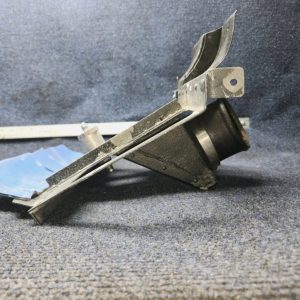
P/N 2455038-2 offers replacement potential for technicians addressing damaged, corroded, cracked, distorted, or missing cooling-system structure within a compatible aircraft.
A Cessna 172RG Rear Right-Hand Baffle may also be described as a Cessna 172RG Engine Baffle or Cessna 172RG Cooling Baffle when the position and part number remain clear.
Whether described as a Cessna Cutlass Engine Baffle, Cessna 172RG Baffle Assembly, Rear RH Engine Baffle, or Aircraft Engine Baffle Assembly, precise configuration verification remains essential.
Whether buyers require a Cessna Engine Cooling Aircraft Engine Baffle Assembly Baffle, Aircraft Cooling Air Baffle, or Cessna 172RG Airflow Baffle, surrounding seals and attachment points should also be inspected.
The Cessna Aircraft Engine Baffle may provide replacement value when its geometry, mounting points, seals, and material condition remain suitable.
Identifying the Cessna 172RG Rear RH Baffle
A component should not be accepted as P/N 2455038-2 solely because it appears to fit the rear right-hand engine area.
Strong traceability improves the commercial and maintenance value of the Cessna 172RG Rear RH Baffle Assembly.
Cessna 172RG Engine Temperature Management
System-level inspection supports more effective engine-compartment maintenance.
Cooling performance depends on proper pressure differences, sealed boundaries, suitable airflow paths, and accurate baffle positioning.
Avoiding Incorrect Baffle Substitution
A rear right-hand baffle should not be advertised as suitable for every Cessna 172 model merely because the aircraft share a related airframe family.
Mounting holes should not be enlarged or relocated casually to force alignment.
Cessna Baffle Flanges and Brackets
A visually similar sheet-metal component should not be substituted using unverified material or dimensions.
Small distortions may create air gaps, cowling interference, fastener misalignment, or stress around mounting points.
Engine Baffle Condition Evaluation
A detailed inspection provides stronger evidence than a general good-condition description.
Previous patches, stop-drilled cracks, replacement brackets, welds, or enlarged holes should be documented.
Managing Gaps Around the Engine Baffles
Torn, hardened, curled, shortened, oil-soaked, missing, or incorrectly oriented seals can reduce the effectiveness of the cooling system.
Excessively stiff or incorrectly positioned material can interfere with cowling installation or fail to seal properly.
Engine Compartment Contamination Concerns
Surface staining may be minor, while pitting, material loss, exfoliation, or corrosion around holes can require more extensive action.
Responsible corrosion prevention supports long-term component value.
Cessna Engine Baffle Mounting Condition
Detailed attachment-point inspection supports accurate repair planning.
Correct attachment practices support secure and maintainable baffle installation.
Cessna 172RG Engine Compartment Parts
The complete engine-compartment area should be inspected before parts are ordered.
Clear component control reduces accidental installation of unverified engine-compartment parts.
Avoiding Unnecessary Component Replacement
Missing seals, open gaps, loose cowling, or incorrectly installed neighboring components can affect airflow distribution.
Cleaning or replacing one baffle should not be presented as a guaranteed cooling improvement.
Repairing a Damaged Engine Baffle
A documented repair plan supports a more consistent result.
The completed component should be inspected before installation.
Replacement Baffle Purchase Considerations
A clean appearance can improve presentation but does not replace detailed inspection.
Unsupported direct-fit, cooling-performance, or airworthiness claims should be avoided.
Rear RH Cooling Baffle Condition Checklist
A detailed review reduces unsuitable purchases and unexpected repair costs.
- Resolve identity, compatibility, orientation, and package-completeness questions before payment.
- Arrange qualified evaluation whenever geometry, material loss, repair quality, or installation suitability remains uncertain.
- Report freight damage, missing pieces, dimensional differences, undisclosed repairs, corrosion, or identification discrepancies promptly.
Protecting Cessna Engine Baffles in Transit
Padding should prevent direct contact with hard surfaces without trapping damaging moisture.
The storage area should remain clean, dry, secure, and protected from salt, chemicals, water leaks, impact, and temperature extremes.
Completing a Rear Baffle Replacement
Installation should be completed by appropriately qualified aviation maintenance personnel using applicable aircraft, engine, parts, and maintenance information.
Temporary fitting can help reveal alignment and clearance concerns before final attachment.
Disciplined installation and documentation protect the Cessna 172RG Rear RH Baffle Assembly
Long-Term Rear Baffle Inspection
The assembly should receive attention after engine work, cowling damage, abnormal vibration, overheating indications, fluid leaks, or suspected impact.
Wiring, hoses, and controls should not rub against the baffle or create repeated loading.
Selecting a Cessna 172RG Cooling Component
The Cessna 172RG Rear RH Baffle Assembly
Careful technical and commercial evaluation can reduce fitment errors, missing-component costs, cooling-system gaps, installation delays, and unexpected corrosion findings.
Whether the requirement is a Cessna 172RG Rear Right-Hand Baffle, Cessna 172RG Engine Baffle, Cessna 172RG Cooling Baffle, or Cessna Cutlass Engine Baffle, exact identification should guide the purchase.
With transparent donor history, protected shipping, correct fitment, qualified repair planning, and effective seal installation, the component can support a professional Cessna 172RG project.
Report this page